
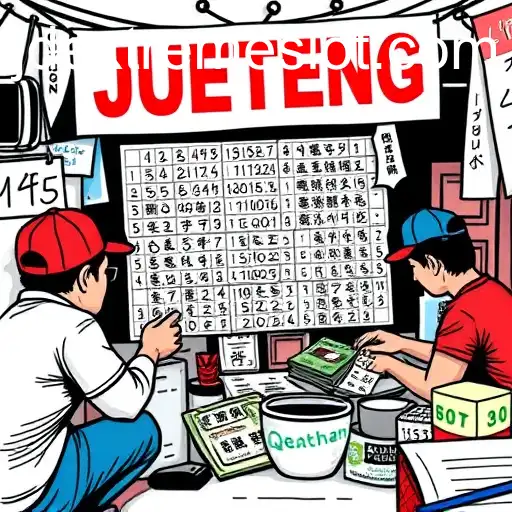
JD Extreme | Jueteng and the Intersections with JD Extreme
JD Extreme’s Explore the intricacies of Jueteng, an illegal numbers game in the Philippines, its socio-economic impact, political ties, and the intersection with modern entertainment themes like JD Extreme.
Understanding Jueteng: The Intricacies of an Illegal Numbers Game
Jueteng is a widely known illegal numbers game in the Philippines, intertwined with cultural and socio-political dimensions that make it a unique and enduring phenomenon. While numerous efforts have been made to eradicate it, Jueteng persists, largely due to its deep-rooted history and the socio-economic factors that drive it. This article delves into the complexities of Jueteng, exploring its impact on Filipino society and its intersection with themes like "JD Extreme."
The Origins and Mechanics of Jueteng
The origins of Jueteng date back to the Spanish colonial period in the Philippines. The game is believed to have evolved from a traditional Chinese lottery game and is played by the masses, particularly in rural areas. Jueteng operates on a simple numbers betting system. Players choose a set of numbers, and if their numbers are drawn, they win a cash prize.
Bet collectors, locally known as "cobradores," roam neighborhoods to gather bets from individuals, making the game easily accessible. This grassroots level involvement and accessibility are key reasons for its popularity. Despite being illegal, Jueteng thrives due to its informal economy and the lucrative rewards it offers to its stakeholders, from the bettors to the operators.
Socio-Economic Factors Driving Jueteng
At the heart of Jueteng’s persistence are socio-economic issues. Many Filipinos live in poverty and see Jueteng as a potential escape from their financial woes. The minimal cost of entry combined with the allure of potentially substantial monetary returns makes Jueteng an attractive proposition for those with limited resources.
Furthermore, Jueteng offers employment opportunities for many as cobradores or small-time operators. For some, the informal employment provided by Jueteng can be more reliable than formal job opportunities, especially in rural areas where jobs are scarce. Thus, Jueteng is embedded not just in the economic fabric but also in the social lives of those involved.
The Political Influence of Jueteng
Jueteng is more than just an illegal numbers game; it is a political force within the Philippines. Politicians and local officials have been implicated in Jueteng operations, either through accepting bribes to overlook the game’s illegality or directly engaging as stakeholders in the operations.
Political campaigns, especially at the local level, have often been financed by Jueteng operators. This creates a web of dependency and complicity between operators and political figures, further escalating the challenge of eradicating Jueteng. The protection given to Jueteng by influential figures in politics ensures its continuous operation and survival despite numerous crackdowns.
Intersecting with "JD Extreme"
The intersection of Jueteng with modern entertainment and media dimensions like "JD Extreme" illustrates the evolving narrative of the game. "JD Extreme" is a term often associated with performance, entertainment, and sometimes, extreme sports, appealing to the youth and modern audiences.
Incorporating elements of "JD Extreme" into traditional games like Jueteng could potentially change the dynamics and perception of Jueteng among younger generations. It merges traditional betting with the high-energy allure of contemporary entertainment. This convergence can potentially reinvent the game, making it more than just an underground activity but a part of the broader spectrum of modern Filipino culture.
The Challenges of Eradicating Jueteng
Numerous administrations have declared war on Jueteng, initiating various anti-gambling programs and raids. However, these efforts have seen minimal success. The deeply ingrained socio-political fabric protecting Jueteng makes it resistant to eradication. Policies targeting Jueteng often focus on the symptoms, such as arresting bet collectors, rather than addressing the socio-economic roots driving its persistence.
The challenge lies in finding a solution that addresses the poverty and lack of opportunities that make Jueteng attractive. Moreover, breaking the chain of political protection involves significant political will and systemic change. The informal power structures that support Jueteng must be dismantled to effectively curtail its operations.
Future Perspectives
The future of Jueteng is uncertain, with its entrenchment in cultural and socio-economic realms posing ongoing challenges. The possible legalization of certain forms of gambling presents an alternative strategy, aiming to regulate rather than completely abolish the game. Legalization could provide a channel to monitor operations, ensure fair play, and generate revenue for state-sponsored welfare programs.
However, for legalization to be a viable solution, it must be carefully designed to prevent exploitation and ensure the benefits reach those most affected by the informal economy of Jueteng. The balance between curbing illegal activity and providing an opportunity for economic gain within a legal framework remains a critical consideration for policymakers.
